
What Is Edge Computing? Key Benefits And Practical Examples
2 July 2021
Edge computing, when computing gets done closer to the source of data and away from the cloud, is more than the current technology buzzword—many entities are looking at ways to reduce latency, improve efficiency and have better results by implementing edge computing in operations.
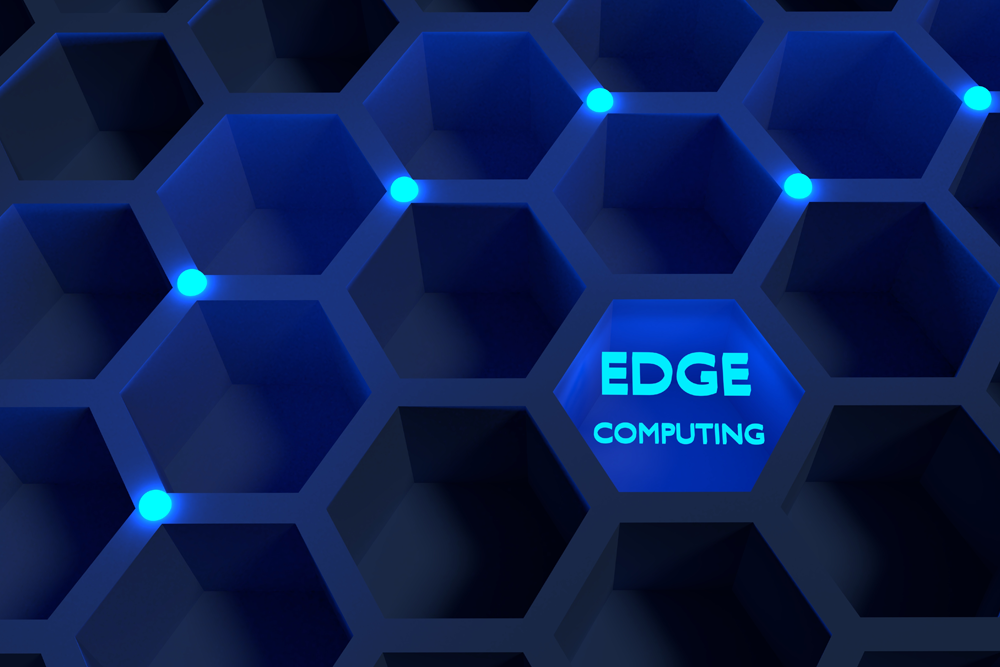
What is Edge Computing?
Edge computing moves the processing of data closer to the source that’s creating the data and away from the cloud in an effort to optimise systems. We’re still firmly in the midst of the cloud-computing era where our devices access centralised services such as Office 365, Dropbox and Slack that are offered by cloud service providers including Amazon, Google, IBM and Microsoft. However, there are several benefits to moving some of the processing of data closer to where it’s being created rather than always having to send it to the cloud. It’s important to note that edge computing is not discussed as a replacement for the cloud, but as the decentralised extension of it or as a complement to it. And, edge computing is growing: Gartner predicts that by 2025, 75% of enterprise-generated data will be created and processed outside the cloud; today, it’s around 10%.
Benefits of Edge Computing
Internet of things (IoT) devices create an extraordinary amount of data, but not all of it is critical. However, when the data is essential for real-time decision-making, it becomes imperative that the data can be processed with no latency (the time it takes to send the data and receive a reply). One of the benefits of edge computing is a reduction in latency. The vast volumes of data created by IoT demand a different approach to processing it. While you might be able to wait a few seconds while your digital assistant goes to the cloud to cheque the forecast before delivering a response, you would likely get into an accident if your autonomous vehicle needed to wait to hear back from the cloud before deciding what action to take. The closer the processing happens as is the case with edge computing, the less lag in response time.
Another benefit of edge computing that many cite is the enhanced security since data doesn’t need to travel over a network. Besides, the data is distributed and not in one data centre. If the data centre would get compromised, local data might still be safe. Also, with edge computing, there’s an opportunity for enhanced security management with the hardware, software and security packaged together. Microsoft is developing Azure Sphere, which combines a cloud service, managed Linux OS and a certified microcontroller as a solution to secure microcontroller devices. With a shift back to local data processing, security needs to be a top priority when designing new products.
There are also significant bandwidth savings because of edge computing. When you scale, it becomes more challenging to transfer all information to the cloud—one device versus 100 streaming data to the cloud have different bandwidth implications. When you don’t have an internet connexion, access to the cloud is unavailable. Edge computing solutions allow some functions and data to be stored locally and only send some of it to the cloud and can wait to do so when bandwidth is available.
Examples of Edge Computing
Whether edge computing is the right choice because it’s essential to keep data locally or it’s not cost-effective to keep sending volumes of data to the cloud, there are many examples of edge computing today. Here are a few of them:
- Autonomous vehicles operate with edge computing in many ways to reduce latency and avoid bandwidth issues that would be present if those vehicles relied on the cloud for all functions.
- Internet-of-things sensors are critical to monitoring the safety and security of, such as in oil and gas manufacturing. In cases of equipment failure or maintenance needs that need immediate attention, there’s a benefit to using edge computing that allows data to be analysed and reported on in real-time.
- Many sensors and IoT devices are being deployed in today’s smart cities to help with traffic management. Data can be processed on the local hardware that can also philtre out non-essential information. By only sending some information to the cloud, operating and storage costs are reduced.
- Energy use and management, such as the case with the UK smart grid, is also a great place to deploy edge computing. With smart metres monitoring usage and identifying opportunities to adjust use energy more efficiently, edge computing allows real-time actions to be taken.
- Moving the initial analysis to edge computing can help solve many digital healthcare problems that make edge computing a focus for many healthcare organisations.
- Edge computing might give retail brick-and-mortar locations the ability to provide a better shopper experience in store as they compete with online offerings.
- Telecommunications companies such as Verizon are also testing edge computing solutions and seeing positive results.
As Gartner predicts, we can expect more testing of edge computing by businesses in a variety of industries.

Related Articles

How Google Cloud Put An AI Agent Inside Formula E’s GEN4 Car
At 150 miles per hour, there is very little time to ask an AI assistant where you are losing speed. Yet[...]

The Global Patent Power Shift: Why Chinese Tech Companies Are Licensing Innovation To The West
One of the clearest signs that global technology power is shifting can be found in an unlikely place: the fine print[...]

What Is The Singularity And Are We There Yet?
The singularity has long been one of the most fascinating and frightening ideas in technology: a point when machine intelligence surpasses[...]
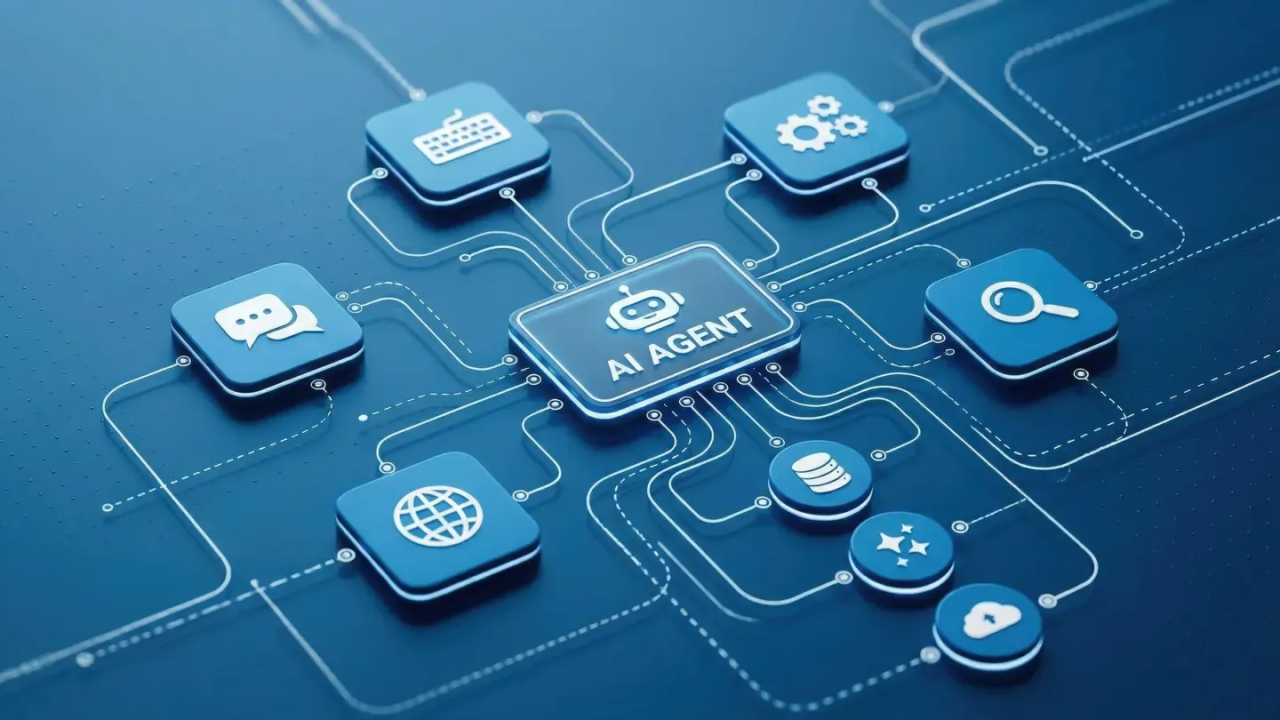
How To Get Your Business Data Ready For AI Agents
Give an AI agent bad data, and it can make bad decisions at machine speed. AI agents are ushering in a[...]

The Amazing Robot Innovations At The Goodwood Future Lab
A humanoid, a wheeled rover and a dog-like robot are trying to push a giant inflatable ball up a ramp. It[...]

Autonomous AI is here, but are enterprises ready?
Autonomous AI is starting to look less like a helpful chatbot and more like a new class of digital worker, one[...]

Sign up to Stay in Touch!
Bernard Marr is a world-renowned futurist, influencer and thought leader in the fields of business and technology, with a passion for using technology for the good of humanity.
He is a best-selling author of over 20 books, writes a regular column for Forbes and advises and coaches many of the world’s best-known organisations.
He has a combined following of 4 million people across his social media channels and newsletters and was ranked by LinkedIn as one of the top 5 business influencers in the world.
Bernard’s latest book is ‘Generative AI in Practice’.
Social Media