
Machine Learning, Artificial Intelligence – And The Future Of Accounting
2 July 2021
Take a deep breath.
Robots are NOT going to replace all human accountants or bookkeepers (at least not anytime soon).
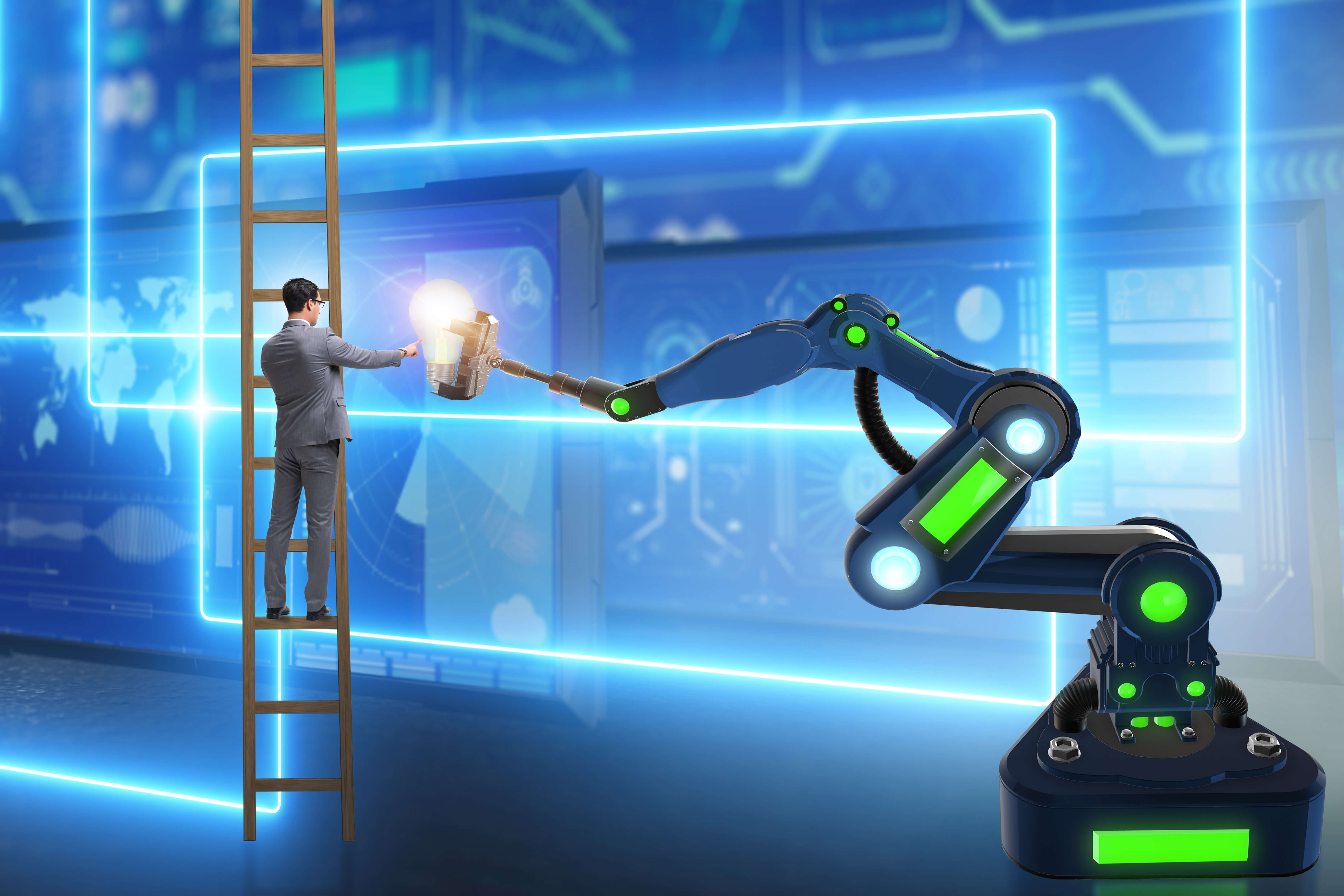
White-collar workers who are part of the knowledge economy are beginning to experience what manual laborers have in the past when new technology made their jobs obsolete. Given the improvements we have recently seen in computing, many professionals fear for their future as machines threaten to overtake them.
Rather than fear changes that machine learning will have on accounting tasks, it’s an opportunity for accounting professionals to be excited. The profession is going to become more interesting as repetitive tasks shift to machines. There will be changes, but those changes won’t completely eliminate the need for human accountants, they will just alter their contributions.
Let’s take a look at how machine learning will change accounting.
What is machine learning?
Machine learning is the leading edge of artificial intelligence (AI). It’s a subset of AI where machines can learn by using algorithms to interpret data from the world around us to predict outcomes and learn from successes and failures. As machines infiltrate accounting tasks to take over the more mundane and repetitive tasks, it will free up accountants and bookkeepers to spend more time using their professional knowledge to analyze and interpret the data to provide recommendations for their clients.
Machine learning will propel innovation in accounting
When accounting software companies eliminated desktop support in favor of cloud-based services, accounting firms were forced to adapt to life in the cloud. Similarly, accounting departments and firms will be forced to adopt machine learning to remain competitive since machines can deliver real-time insights, enhance decision making and catapult efficiency.
Accounting tasks that machines can learn to do
Rather than eliminate the human workforce in accounting firms, the humans will have new colleagues—machines—who will pair with them to provide more efficient and effective services to clients. Currently, there is no machine replacement for the emotional intelligence requirements of accounting work, but machines can learn to perform redundant, repeatable and oftentimes extremely time-consuming tasks.
Related Articles
The Big AI Terms Everyone Is Getting Wrong: Open Source, Open Weight And Proprietary
Open source AI is everywhere right now. The problem is that a lot of what gets called “open source” isn’t actually[...]

Tokenmaxxing: The Dangerous New AI Trend Businesses Need To Stop
Some companies are encouraging employees to burn through as much AI as possible, and even ranking them by how many AI[...]
Who Really Controls Your AI And Data? Why Every Business Should Care
Every business using AI should be asking a simple question: Who actually controls the technology and data we increasingly depend on?[...]
The AI Cold War Is Here, And Every Business Will Feel The Impact
In 2026, the decisions that will impact the future of AI and business are increasingly being taken outside of boardrooms and[...]
Humanoid Robots Are Coming, Here’s What Everyone Needs To Know
More than one billion humanoid robots could be living and working alongside us by 2050. That is Morgan Stanley's forecast, and[...]

Sign up to Stay in Touch!
Bernard Marr is a world-renowned futurist, influencer and thought leader in the fields of business and technology, with a passion for using technology for the good of humanity.
He is a best-selling author of over 20 books, writes a regular column for Forbes and advises and coaches many of the world’s best-known organisations.
He has a combined following of 4 million people across his social media channels and newsletters and was ranked by LinkedIn as one of the top 5 business influencers in the world.
Bernard’s latest book is ‘Generative AI in Practice’.
Social Media